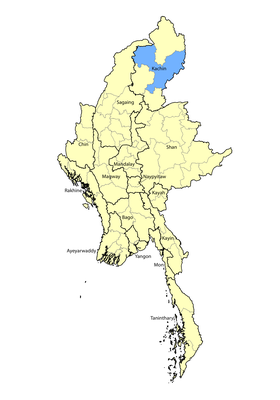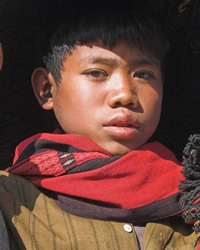

The Ringkhu are a small tribe in Myanmar's Kachin State, primarily in the village of Shinbwiyan who dwell in villages in what the government calls the Shinbwiyan Shinbwiyan is part of the larger Tanai Township in Kachin State. Ringkhu people reside in several villages in the area, including Tarung, Takhet, Thayatit, and Lakyabum. A small number of Ringkhu people also live in the Pangsau area of Sagaing Region. Historically, the Ringkhu, like other Naga and Tangshang tribes, were known as fierce warriors and headhunters, but they are equally recognized for their hospitality and pride in tradition.
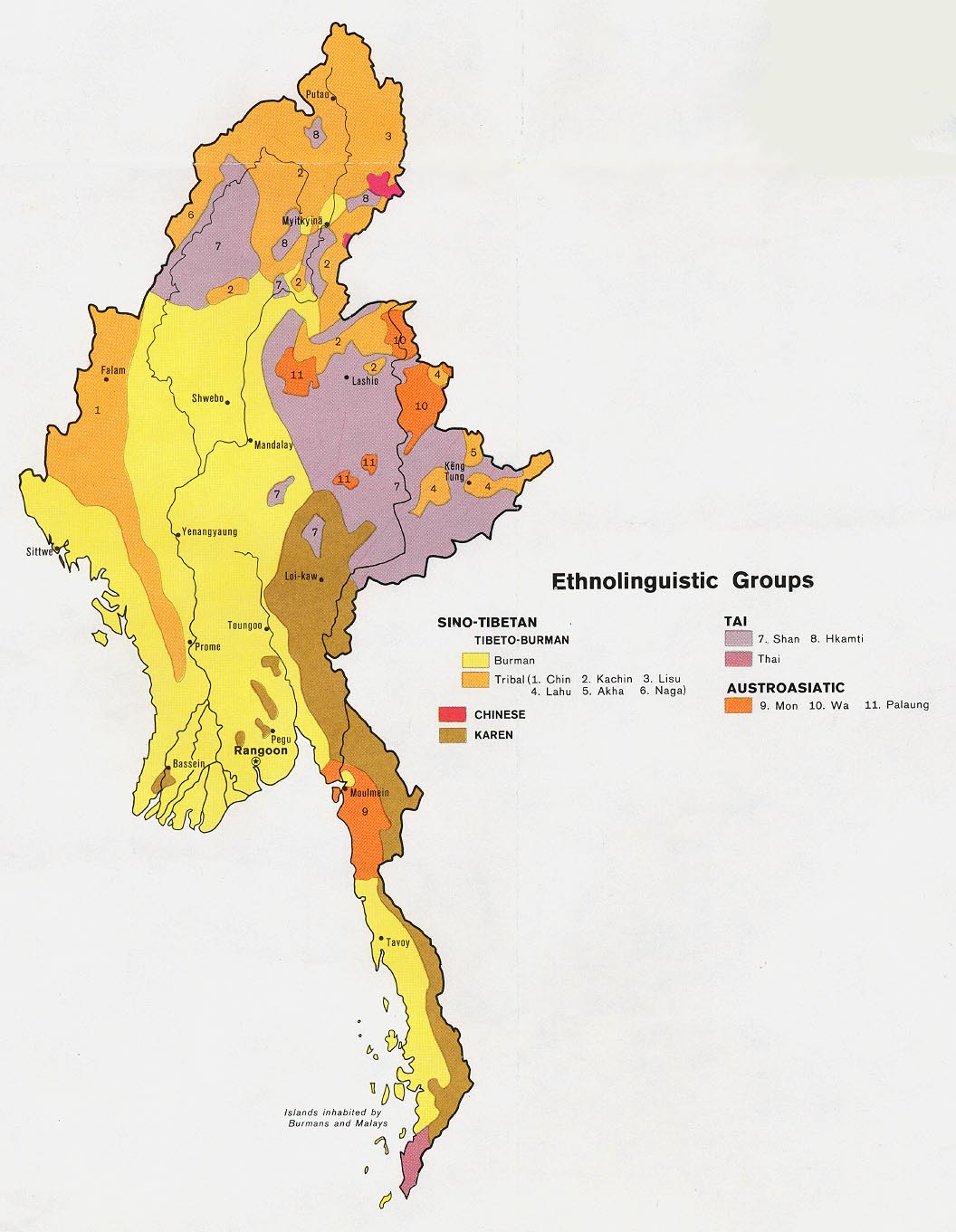
Linguistically, the Ringkhu speak a dialect related to several others in the region, including Gaqchan, Gaqyi, Hasa, Henching, Khalak, Kochung, Lakki, Lungkhi, Rasa, and Shangti—all part of the Naga group within the Tibeto-Burman language family. Despite these connections, communication with Naga groups across the border in India remains difficult due to significant linguistic differences. The Ringkhu likely originated further west near the Indian border but migrated eastward to Shinbwiyan in search of more productive land and better opportunities. Additional migrations in the 1960s and 1970s brought more families to Kachin State, where the Ringkhu continue to preserve their unique identity.
The Ringkhu people of Myanmar live in small, close-knit villages nestled in the hills of the Shinbwiyan sub-township, Kachin State, with a few families in the Pangsau area of Sagaing Region. Their homes, typically constructed from bamboo and wood with thatched or tin roofs, are clustered together, reflecting the strong emphasis on family and community. Daily life centers on subsistence agriculture, with families cultivating rice, maize, millet, and vegetables on terraced fields. They also raise livestock such as pigs, chickens, and goats to supplement their diet and income.
Community life among the Ringkhu is vibrant and marked by cooperation, particularly during planting and harvest seasons when neighbors work together. Traditional festivals and celebrations are closely tied to the agricultural calendar. Communal feasts, music, and dance are important occasions for storytelling and passing down oral traditions. Hospitality is a deeply valued trait. Visitors are often welcomed with heartfelt gifts and generous meals, reflecting the Ringkhu's spirit of generosity and mutual support. Despite the region's remoteness and limited employment opportunities outside agriculture, the Ringkhu people maintain a resilient and rich way of life rooted in tradition and community.
The Ringkhu people traditionally practiced animism. They viewed the numerous spirits as protective guardians and actively sought to appease them. The Ringkhu people feared that offending these spirits could bring disaster or disease upon their community; offerings and sacrifices were a central part of their spiritual life.
Christianity first reached the Sagaing border area in the 1950s, gradually spreading among the local tribes, including the Ringkhu. When many Ringkhu later migrated to Kachin State, they encountered Buddhist influence for the first time. With government incentives encouraging conversion to Buddhism, some families left Christianity; however, more than half of the Ringkhu people today still profess faith in Jesus.
The Ringkhu people have deep Christian spiritual needs. These include access to the gospel in their own language and opportunities for discipleship and fellowship. Many live in isolated villages with little exposure to Christian teaching or scripture, making it difficult for them to hear about Jesus or grow in faith. Culturally relevant outreach and regular encouragement are vital for nurturing any believers among them and helping the message of Christ take root.
Physically, the Ringkhu often struggle with limited access to healthcare, clean water, and education. Their reliance on subsistence farming leaves them vulnerable to food shortages and poverty. Practical support such as medical care, clean water initiatives, and agricultural training can help meet these needs and serve as a tangible expression of Christ's love. Addressing both spiritual and physical needs together reflects the holistic ministry of Jesus, who cared for people's bodies as well as their souls.
Pray that the Lord will open doors for discipleship within the Ringkhu community, raising up local believers who can nurture and encourage one another in faith and truth.
Pray that the Lord will provide translated scriptures and other Christian teaching resources within the Ringkhu's native language.
Pray that the Lord will instill within devoted Christians in the Ringkhu community the desire to disciple others to teach within their community and reach out to local ethnic groups to share the love of Jesus Christ.
Pray that the Ringkhu people would experience increased access to schools, medical care, and sustainable livelihoods, empowering them to rise above the challenges of poverty.
Scripture Prayers for the Ringkhu in Myanmar (Burma).
Asia Harvest
1 Aglaja Stirn & Peter Van Ham, The Hidden World of the Naga: Living Traditions in Northeast India and Burma (London: Prestel Publishing, 2003), p. 12.
2 Naga Survey Team, Sociolinguistic Survey of Makyam and Southern Tangshang Varieties in Lahe Township and Dunghi Sub-Township, Myanmar (unpublished report, 2012), p. xii.
3 Stirn & Van Ham, The Hidden World of the Naga, p. 12.
| Profile Source: Joshua Project |
| Other PDF Profile |